1. The image should allow the magazine to be identifiable throughout different issues.
2. It should have an irresistible pull factor that makes people want to look at it and see what's inside.
3. It should spark curiosity and draw interest from people just glancing at it.
4. It should be able to make people interested in what the magazine offer's or what's inside it.
5. It should stays simple and easy to look at quickly while being effective in what it advertises.
Wednesday, January 29, 2020

Three Pillars of Photography
(Note: I thought I had turned it in, but I guess I didn't when you caught me up on photoshop.)
Aperture:

f2.8

f16
1. The eye/pupil.
2. The smaller the aperture, the less light exposed and the more detail in the background/foreground. The larger the aperture, the more light exposed and the less detail in the background/foreground.
3. Larger apertures cause a greater reduction in Depth of Field in a photograph causing background and foreground blur. Smaller apertures cause a greater increase in Depth of Field in a photograph causing background and foreground sharpness and clarity.
Shutter Speed:

High shutter speed

Low shutter speed
1. fast, medium, long
a. medium
b. medium
c. medium (for a picture of the performance), fast (for a picture of an individual performer)
d. medium
e. long
f. fast
1.1.
a. long
b. long/medium (depending on distance/traffic of people)
c. medium (assuming the inside has the same light as the outside)
d. medium/long (depending on distance)
e. long
f. medium
2. Shutter Priority: You manually adjust shutter and the
ISO:
ISO 200

ISO 6400
1. At a sporting event, there are is a lot of constant motion, and using high ISO will allow images to be sharp, even if they aren't the highest resolution.
2. It's good to use a low ISO when trying to get the highest quality image with the least "noise" as possible if there is enough light to do it.
3. It's good to use high ISO when trying to get an image at a high shutter speed that will be blurry otherwise, but there isn't enough natural light to take a bright enough picture without it being blurry.
Aperture: 2.8, 3.5, 4, 4.5, 5.6, 6.7 8, 9.5, 11, 13, 16, 19, 22
Shutter Speed: 1, 1/2, 1/3, 1/4, 1/6, 1/8, 1/10, 1/15, 1/20, 1/30, 1/45, 1/60, 1/90, 1/125, 1/180, 1/250, 1/350, 1/500, 1/750, 1/1000, 1/1500, 1/2000, 1/3000, 1/4000
ISO: 100, 200, 400, 800, 1600, 3200, 6400
Aperture:
f2.8
f16
1. The eye/pupil.
2. The smaller the aperture, the less light exposed and the more detail in the background/foreground. The larger the aperture, the more light exposed and the less detail in the background/foreground.
3. Larger apertures cause a greater reduction in Depth of Field in a photograph causing background and foreground blur. Smaller apertures cause a greater increase in Depth of Field in a photograph causing background and foreground sharpness and clarity.
Shutter Speed:
High shutter speed
Low shutter speed
1. fast, medium, long
a. medium
b. medium
c. medium (for a picture of the performance), fast (for a picture of an individual performer)
d. medium
e. long
f. fast
1.1.
a. long
b. long/medium (depending on distance/traffic of people)
c. medium (assuming the inside has the same light as the outside)
d. medium/long (depending on distance)
e. long
f. medium
2. Shutter Priority: You manually adjust shutter and the
ISO:
ISO 200
ISO 6400
1. At a sporting event, there are is a lot of constant motion, and using high ISO will allow images to be sharp, even if they aren't the highest resolution.
2. It's good to use a low ISO when trying to get the highest quality image with the least "noise" as possible if there is enough light to do it.
3. It's good to use high ISO when trying to get an image at a high shutter speed that will be blurry otherwise, but there isn't enough natural light to take a bright enough picture without it being blurry.
Aperture: 2.8, 3.5, 4, 4.5, 5.6, 6.7 8, 9.5, 11, 13, 16, 19, 22
Shutter Speed: 1, 1/2, 1/3, 1/4, 1/6, 1/8, 1/10, 1/15, 1/20, 1/30, 1/45, 1/60, 1/90, 1/125, 1/180, 1/250, 1/350, 1/500, 1/750, 1/1000, 1/1500, 1/2000, 1/3000, 1/4000
ISO: 100, 200, 400, 800, 1600, 3200, 6400
Monday, January 27, 2020
Portraits
Alter your Perspective


Introduce a Prop
Hold your camera on an angle
Environmental
I really like the sunset-like lighting, and the logs in the background are oddly satisfying.
I find something about this guy holding knives ready to do business somewhat pleasing. It gives me the feeling that he's about to work hard and well, like a montage.
Self Portrait
The effect with all the mirrors is cool, and it helps the picture feel much less gloomy than most of the others I saw.
This image is permanently engraved into my mind. I cannot unsee it. That is not natural at all.
Casual Portrait
I like the simplicity of the background and how it isn't a self portrait that's black and white and gloomy.
I like how much nature he got in the background and how it isn't a self portrait that's black and white and gloomy.
I don't have a plan yet, but I really wish I could do my grandpa. He is about to go through chemotherapy, and I want to take a picture of him this weekend just to show how strong he has been through all of this, but I'm not getting a camera until the day after I come back, and I may not visit him again for a while. I have no executable plan.


Monday, January 13, 2020
Photo Manipulation and Ethics
A. People who manipulate images need to create the best image they can without being unethical.
People often manipulate a photo to the point where it is unethical or displaying some sort of falsity from the original picture.
Manipulating images has become so easy nowadays. It used to take hours, but now it just takes the knowledge of editing software.
Photographs often get edited to the point where they aren't accurate and show more of a lie than an actual image.
It's getting much harder to figure out what in pictures is authentic vs edited.
Those who edit pictures often neglect ethnics of photo editing because their job is to make a picture that grabs people's attention and draws them in to maybe read a news article or buy a certain product.
The boundary for which a photo goes from ethical to unethical varies. One person may think a picture is ethical while someone else may disagree.
Media editors have to balance creating the most appealing picture with keeping the picture ethical.
Some solutions are media editors increasing the number of photographers they know so they can get the best picture and have to do the least possible editing, creating a set of ethnical boundaries and sharing it with people so that others can input their opinion if they think it's unethical, or just creating a universal set of ethnic rules for all media.
B. These newspapers have very strict guidelines for ethnicity. They want to keep image manipulation to a minimum to preserve as much authenticity of images as they can. Photographs, to them, are the visuals for events. Even with the words of articles and stories, newspapers use images as authentic visualization for the readers and even the writers.
C. I feel that some editing is ok, and maybe even necessary. Cropping, for example, should be used to remove distracting or unimportant aspects from a picture without erasing important details or major parts of it. Blurring can be used to fade out the unimportant to make readers focus on what the newspaper wants to be focused on without obstructing possibly significant sections. Changing color or color tone may be useful for making an image easier to look at or highlight what's important, but it shouldn't be drastic enough to do something such as change the skin tone of someone's picture or modify the setting of the picture. Cropping and adding to a picture might be necessary, but almost should never be used. It's basically adding elements to a photograph to create a false scene. However, I do feel it has some use, I just am not sure what.
D.
I feel this picture is the most unethical: an attempt to expose a Republican politician by creating a somewhat inappropriate image that negatively emphasized the Conservative view of gun rights. Not only did this picture place someone's face on a body that was not their own, but it was a completely false picture that attempted to give someone a bad political reputation.
E.
I feel that this picture is the lease unethical. It didn't do anything to alter the visual appearance of a person or create a misleading scene, it just needed to fit the magazine and be presentable. Though the image is distorted, changing the size of a dim picture of only part of 2 pyramids doesn't seem like a very big deal.
People often manipulate a photo to the point where it is unethical or displaying some sort of falsity from the original picture.
Manipulating images has become so easy nowadays. It used to take hours, but now it just takes the knowledge of editing software.
Photographs often get edited to the point where they aren't accurate and show more of a lie than an actual image.
It's getting much harder to figure out what in pictures is authentic vs edited.
Those who edit pictures often neglect ethnics of photo editing because their job is to make a picture that grabs people's attention and draws them in to maybe read a news article or buy a certain product.
The boundary for which a photo goes from ethical to unethical varies. One person may think a picture is ethical while someone else may disagree.
Media editors have to balance creating the most appealing picture with keeping the picture ethical.
Some solutions are media editors increasing the number of photographers they know so they can get the best picture and have to do the least possible editing, creating a set of ethnical boundaries and sharing it with people so that others can input their opinion if they think it's unethical, or just creating a universal set of ethnic rules for all media.
B. These newspapers have very strict guidelines for ethnicity. They want to keep image manipulation to a minimum to preserve as much authenticity of images as they can. Photographs, to them, are the visuals for events. Even with the words of articles and stories, newspapers use images as authentic visualization for the readers and even the writers.
C. I feel that some editing is ok, and maybe even necessary. Cropping, for example, should be used to remove distracting or unimportant aspects from a picture without erasing important details or major parts of it. Blurring can be used to fade out the unimportant to make readers focus on what the newspaper wants to be focused on without obstructing possibly significant sections. Changing color or color tone may be useful for making an image easier to look at or highlight what's important, but it shouldn't be drastic enough to do something such as change the skin tone of someone's picture or modify the setting of the picture. Cropping and adding to a picture might be necessary, but almost should never be used. It's basically adding elements to a photograph to create a false scene. However, I do feel it has some use, I just am not sure what.
D.
I feel this picture is the most unethical: an attempt to expose a Republican politician by creating a somewhat inappropriate image that negatively emphasized the Conservative view of gun rights. Not only did this picture place someone's face on a body that was not their own, but it was a completely false picture that attempted to give someone a bad political reputation.
E.
I feel that this picture is the lease unethical. It didn't do anything to alter the visual appearance of a person or create a misleading scene, it just needed to fit the magazine and be presentable. Though the image is distorted, changing the size of a dim picture of only part of 2 pyramids doesn't seem like a very big deal.
Wednesday, January 8, 2020
2019 Reflection

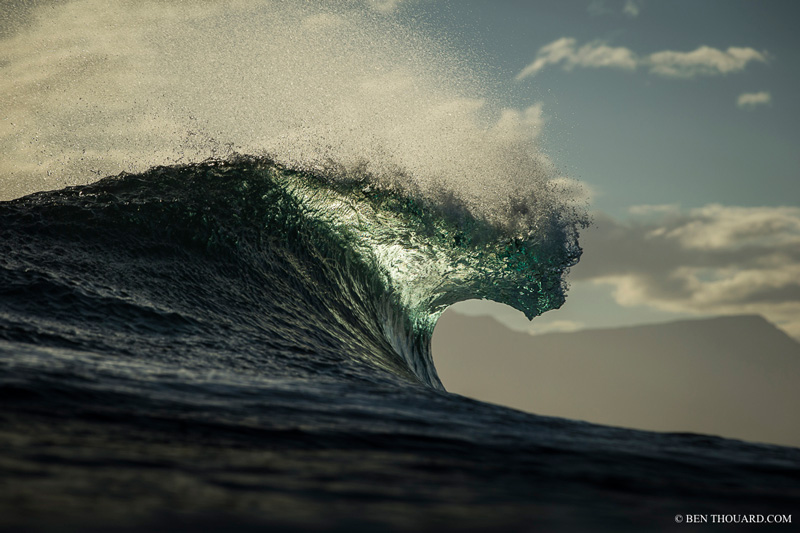
I like how vivid and shiny the color is, and the blur of people at the bottom combined with the multiple pillars creates a satisfying vertical flow in the photo.
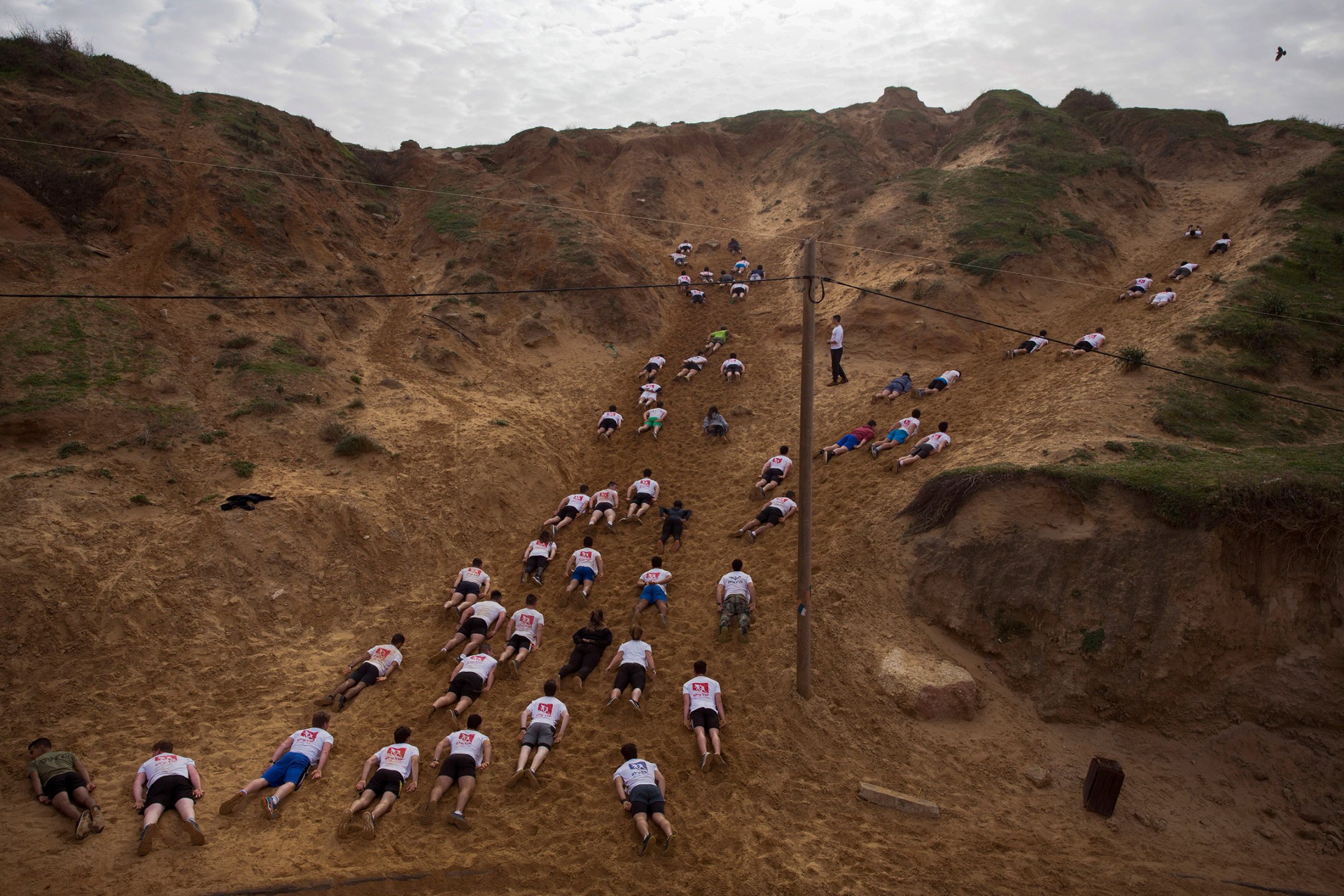
There's a difference between the ground the people are laying in and the nearby earth, and that creates a sort of path that these people seem to be traveling on. I feel that if I was there in real time, they would be sliding along like as if the ground was a conveyer belt.

I really like the bright lines this creates. It almost doesn't seem real, but it is.
1.

I literally don't know any other 2019 songs. I am less knowledgeable than a box of rocks when it comes to popular music. I just happened to know Old Town Road because everyone kept singing it when it was popular.
2.

I really enjoyed Avengers Endgame. It was Marvel's biggest movie ever, and being 3 hours long, it was intense, action packed, and just a great movie in general. I brought everything Marvel had been working towards to an end in such a dynamic, grand way. Also, I like disposable CGI armies.
3.
/cdn.vox-cdn.com/uploads/chorus_image/image/65287206/1169824973.jpg.0.jpg)
The area 51 raid meme was a very large event. A single person made a joke about it, and hundreds of thousands of people accepted the invitation to raid the base. The "raid" itself just turned into a sort of extraterrestrial themed festival near area 51. I hope September 20 becomes a holiday.
4.

Donald Trump is the president, and he runs the country. I can't think of anyone more important the our country's leader.
5.

A lot happened for Pewdiepie in 2019. He earned millions of subscribers early in the year, he reached 100 million subscribers on Youtube, he finally got married, and he made Minecraft popular again. He's a very popular Youtuber.
1. My grandpa got stage 4 brain cancer.
2. I want to drive and get a job.
3. I can't wait for summer.
Subscribe to:
Posts (Atom)